
The Role of Turmeric and Curcumin in Reducing Inflammation
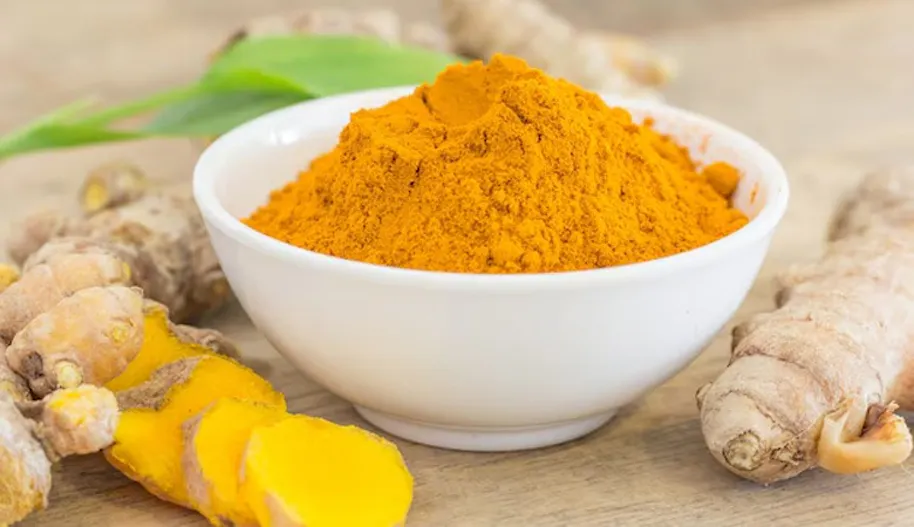
Turmeric, a golden-yellow spice commonly used in Indian and Asian cuisine, has been recognized for centuries not only for its vibrant color and flavor but also for its powerful anti-inflammatory and antioxidant properties. The key active compound in turmeric, curcumin, has been extensively studied for its role in reducing inflammation and providing relief from conditions like arthritis, cardiovascular disease, and various chronic inflammatory disorders. In this article, we will explore how turmeric and curcumin work to reduce inflammation, their health benefits, and the best ways to incorporate them into your diet.
What is Curcumin?
Curcumin is the primary active compound found in turmeric, and it is responsible for most of its health benefits. Although turmeric contains several bioactive compounds, curcumin stands out due to its potent anti-inflammatory, antioxidant, and therapeutic properties. However, curcumin has low bioavailability, meaning that it is not easily absorbed by the body. To maximize its effectiveness, curcumin is often consumed with black pepper (which contains piperine, a compound that enhances absorption) or fat (since curcumin is fat-soluble).
© Copyright Core Vitality Life. All Rights Reserved

How Turmeric and Curcumin Reduce Inflammation
1. Inhibiting Inflammatory Pathways
Curcumin works by inhibiting the activity of several molecules involved in inflammation. One of the main mechanisms is the inhibition of NF-kB (nuclear factor kappa-light-chain-enhancer of activated B cells), a protein complex that plays a key role in regulating the immune response and inflammation. When NF-kB is activated, it promotes the expression of inflammatory genes. By inhibiting NF-kB, curcumin helps reduce the production of inflammatory molecules and cytokines, leading to a decrease in inflammation throughout the body.
2. Reducing Pro-Inflammatory Cytokines
Cytokines are signaling proteins that regulate immune responses and inflammation. Curcumin has been shown to lower the levels of pro-inflammatory cytokines, such as TNF-alpha, IL-1, and IL-6, which are often elevated in chronic inflammatory conditions. By reducing these inflammatory markers, curcumin helps alleviate inflammation in tissues and organs, providing relief from conditions like arthritis and inflammatory bowel disease.
3. Suppressing Inflammatory Enzymes
Curcumin also suppresses the activity of cyclooxygenase-2 (COX-2) and lipoxygenase (LOX), enzymes that play a critical role in the inflammatory process. These enzymes are responsible for the production of pro-inflammatory compounds called prostaglandins and leukotrienes. By inhibiting COX-2 and LOX, curcumin helps reduce the production of these inflammatory molecules, thereby decreasing inflammation.
4. Antioxidant Activity
Inflammation often leads to the production of free radicals, which can damage cells and tissues, contributing to oxidative stress. Curcumin is a powerful antioxidant that helps neutralize free radicals, preventing oxidative damage and further reducing inflammation. By enhancing the body’s antioxidant defenses, curcumin helps protect cells from damage and supports overall immune health.
Conclusion
Turmeric and its active compound curcumin are powerful natural anti-inflammatory agents that offer a wide range of health benefits. By reducing inflammation through the inhibition of inflammatory pathways, cytokines, and enzymes, curcumin can provide relief from conditions like arthritis, inflammatory bowel disease, cardiovascular disease, and skin conditions. Whether consumed in food, as a supplement, or in the form of turmeric tea, incorporating turmeric into your diet is a simple and effective way to support overall health and reduce inflammation. With its potent anti-inflammatory and antioxidant properties, turmeric is truly a golden spice for wellness.